

Last Updated on August 3, 2023 by Jada Glover
Your baby will probably need a bib sooner than you may think. New parents soon discover that bibs are for more than just feeding time. Even the neatest baby is messy from day one, especially since their oral muscles take time to develop. And, when they start feeding themselves, they lack muscle coordination skills to handle forks and spoons.
So, when do babies need bibs, and what else do I need to know about buying bibs for my baby?
Please note that this article contains affiliate links, which means that I may earn a commission if you buy something (at no additional cost to you). Read my full disclosure here. I only recommend products I use and love and recommend to my clients.
Why a Bib?
When you think about a bib, the images that come to mind may include a baby sitting in a high chair with food all over their face and tray. However, bibs are handy even before the baby is sitting upright trying to feed.
While one purpose of a bib is to keep the baby’s clothes clean, these pieces of cloth are necessary from the start. A bib for a newborn baby or infant serves a similar purpose as burp cloths. However, burp cloths are more intended to keep mama’s clothes clean.
A drool bib catches spit-up or drops from a bottle or breastfeeding and also helps keep the baby’s neck dry by catching dribbling liquid (including drool) before it runs down the baby’s chin and neckline. Once that moisture reaches the baby’s neck, it creates skin irritation, redness, or rashes. So, drool bibs help to prevent skin rashes.
Different Types of Bibs
Your baby can start wearing a bib from as young as a newborn of one or two weeks. The type of bib will change as your little one grows and develops different bib-wearing needs.
The most common kind of bibs include the following:
Newborn, Drool, or Dribble Bibs
Newborn bibs, sometimes called drool or dribble bibs, are intended for babies younger than six months. It takes up to two years for a baby’s oral muscles to fully develop. Until then, they drool a lot.
Before you know it, a drooling baby can quickly drench their outfits, so much so that you constantly change their clothes. Newborn bibs come in an extra small size that comfortably fits around a tiny baby’s small neck.
Drool bibs are made from soft, extra-absorbent fabric to soak moisture from spit-up and drool or to catch spills from a bottle or nursing.
Use the cloth bib to wipe away moisture from the baby’s mouth before it causes a skin rash. Also, change the bib for a fresh, dry one before it’s completely saturated to avoid skin rashes on the baby’s neck.
Drool bibs are made of highly absorbent fabrics, such as flannel, cotton, or bamboo, and provide two absorption layers. They are easy to wash and dry.
Let your baby wear a drool bib all day. Find a cloth bib that is soft and gentle on your baby’s skin. Organic cotton, muslin cloths, or bamboo cloths offer a safe choice. Bibs made from bamboo also offer natural antibacterial and hypoallergenic benefits. Drool bibs with a fleece backing provide extra absorbency.
Ensure the cotton is G.O.T.S. certified and made with non-toxic, eco-friendly dyes.
Bandana Bibs
Bandana bibs fall under the drool bib category. These bibs look like the baby is wearing a small bandana scarf. Bandana bibs are triangular and look more like a clothing accessory than the rounded traditional bib shape. These bandana bibs are smaller and lighter than other early bibs and provide a higher collar to keep the drool from rolling onto the baby’s neck or chest.
Teething Bibs
Teething is painful enough without also feeling constantly uncomfortably wet from the drool. Keep your baby dry and as comfortable as possible while teething.
Teething bibs catch the drool of teething babies. These bibs are drool bibs with extra absorbency or slightly larger than the newborn dribble bibs. Many teething bibs also come with an attached teething toy for the baby to chew on and help ease the pain.
Eating or Feeding Bibs
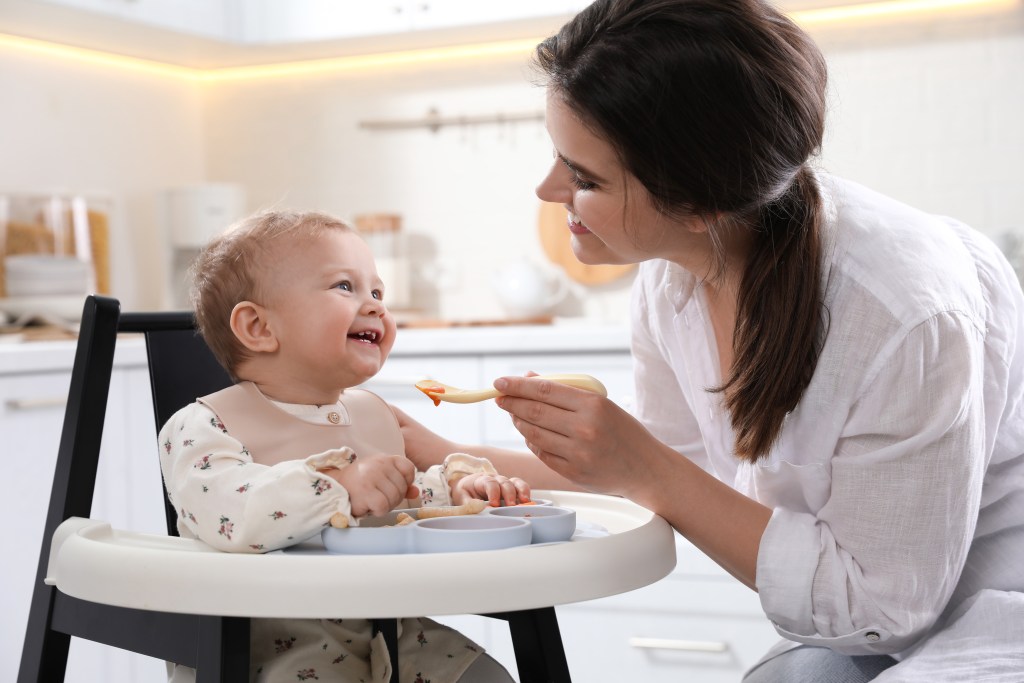
When a baby starts to eat solid foods, feeding time creates much mess, especially for messy eaters. That’s when eating or feeding bibs step in to save the day. At least they save your little one’s outfit from mealtime messes.
Feeding bibs, also called mealtime bibs, differ from drool bibs in that in addition to providing a soft, absorbent material, they typically add water-resistant or waterproof material such as food-grade silicone. The material which feeding bibs consist of makes them stain-resistant and easier to clean.
Many feeding bibs offer a scoop bib style with a pocket to catch pieces of food and liquids that spill down the bib. These food catchers offer a great option for full coverage for messy eaters.
The ones linked above are the exact ones I purchased for my daughter. We use them daily! I keep one in the diaper bag and two for mealtime at home.
Smock Bibs
Smock bibs are water-resistant and designed to keep your child’s clothes free of mess as they fit over the baby’s upper chest. Often referred to as a long-sleeved bib, a smock bib comes in short or long sleeves and fits like a shirt to cover the entire upper half of your child. Smock bibs can be used well into preschool for messy arts and crafts projects or painting.
Disposable Bibs
Disposable bibs are convenient when out and about or traveling when you don’t have ready access to a washer and dryer. As the name implies, they consist of a paper-like material to throw away after one use.
Teething Bibs vs. Eating Bibs
Teething bibs intend to keep the baby dry from the inevitable drool accompanying teething, and some come with an attached teething toy. Whereas feeding bibs are usually larger than teething bibs and provide water resistance since their purpose is to keep the messy food off of the baby’s clothes.
A feeding bib usually covers the baby’s chest and neck, whereas a teething bib keeps the baby dry and comfortable with absorbent fabric, like terry cloth. Terry cloth bibs are lightweight and durable.
If the bib comes with a teething toy, make sure it is lead and nickel-free, BPA-free, PVC and phthalate-free.
Fitting Bibs Properly
Find a highly durable, lightweight, water-resistant bib that offers a comfortable fit in the perfect size and is easy to clean. Pay close attention to the size of the neck opening. If you are fitting a preemie or a tiny baby, standard-sized bibs may leave a gap where drool will slide through. On the other hand, if your baby is large, consider bibs with a bigger neck opening. Find a bib with an adjustable neckline with snaps or buttons.
Removing and Cleaning Bibs
Unless using disposable, you will clean the soiled bibs. If the bib has a closure in the back, unfasten the closure, and roll the bib around to enclose any mess. If there are chunks of food, shake them out in the garbage can or disposal before rinsing the bib. If the bib fits over the head like a shirt, carefully position your hands underneath the opening to pull away from the baby’s head and hair while removing the bib.
Follow the care instructions on the label or packaging. Bibs consist of varieties of fabrics and materials ranging from cotton to Polyurethane Laminate PUL fabric, rubber, or silicone bibs. While you can throw cloth bibs into the washing machine, plastic bibs require a different cleaning method.
Rinse immediately after each use. Even before solid foods get introduced, infant formula tends to leave a hard-to-remove stain. If the bibs are severely stained, use a mild stain pre-wash and allow them to soak before washing.
Use a dryer or direct sunlight to dry cloth bibs. Be careful not to set the dryer on high heat since cloth bibs could shrink under hot temperatures. Never put plastic bibs into the dryer. Hang these plastic-based bibs on a line inside or outside. Some moms prefer hanging the cloth bibs to dry as well. An added benefit to drying bibs on a line outside is that the sunshine or air drying helps keep the stains out.
If the teething bib has a teething toy sewn in, follow cleaning instructions carefully to sanitize both the toy and the bib.
Storing Bibs
Buying so many bibs may present a problem of where to store them. Thankfully, the littler bibs are small enough to fold or roll to store in a drawer. Get creative with storage ideas for the large bibs.
Hang plastic bibs on a hook inside a pantry door. Some clever moms find it convenient to use a removable adhesive plastic hook that they adhere to the back of the high chair to store bibs.
Additional Factors to Consider When Buying Bibs
Look for bibs that offer adjustable straps or neck fasteners. Typically, good options include snaps, buttons, ties, or Velcro. Many prefer to avoid Velcro since it sticks to everything it touches.
Buy the correct size. Newborn or drool bibs come in sizes that match clothing sizes, whereas feeding or smock bibs come in different sizes. Choose a bib that fits your baby, and buy bigger sizes as your baby grows.

FAQs about when babies need bibs
Some additional frequently asked questions about when babies need bibs include the following:
Are bibs necessary?
Yes. If you want to keep your baby’s clothes dry and clean, a bib is part of baby essentials. Not only will bibs save your child’s clothes, but they will also help to keep the baby free of skin rashes, especially babies with sensitive skin. Teething bibs also help to keep a teething toy close by.
Are bibs safe?
Yes. As long as the bib fits properly around the neck and is worn during awake time with adult supervision, bibs are safe for babies to wear. Babies should never wear a bib while sleeping or unattended in a car seat.
How many bibs do I need?
The number of bibs you need will depend on your baby and your preferences. Start with about ten small bibs to fit your newborn. When the time for a feeding bib arrives, plan on using a minimum of 2 or 3. Change out the bib whenever it becomes soiled. Drool and teething bibs need to be changed out several times a day.
Does my baby need a bib if I’m nursing?
Yes. While bottle feedings are potentially messier, nursing babies also need a drool bib. Most babies are prone to spitting up for several months after birth.
To sum up the answer to the question, when do babies need bibs, have bibs on hand from the start. They will start with a cloth dribble bib and work up to a feeding bib. In between, you may want to add a teething bib for extra comfort during the teething months.
Other posts related to breastfeeding you may be interested in:

 The Most Comfortable Office Desk Chairs for Pregnancy (2023)